
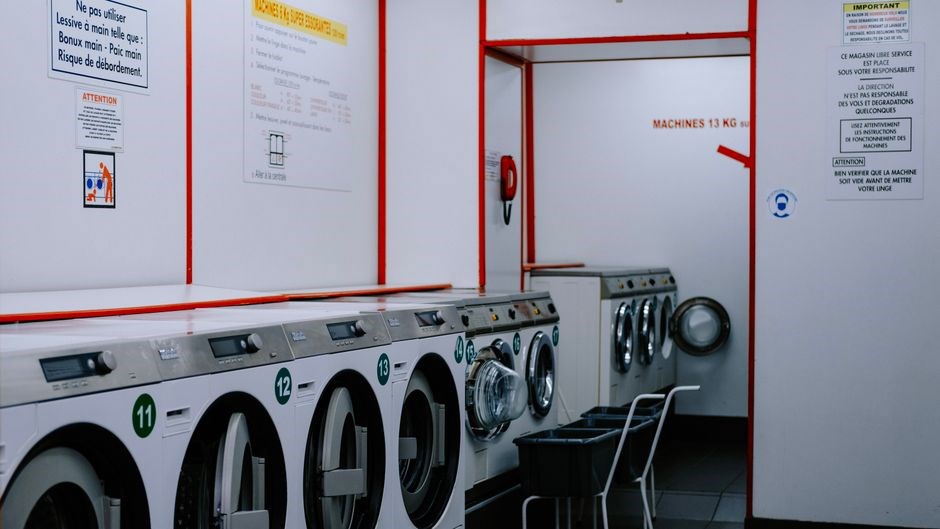
kenmore 70 series washer manual
Kenmore 70 Series Washer Manual Overview
Kenmore 70 Series washers feature a comprehensive service manual covering installation, cycle selection, troubleshooting, and parts ordering. The PDF includes model/serial location, safety notes, and maintenance schedules. Available via Kenmore.com, ManualsLib, and eBay listings. Detailed diagrams are in appendix.!!
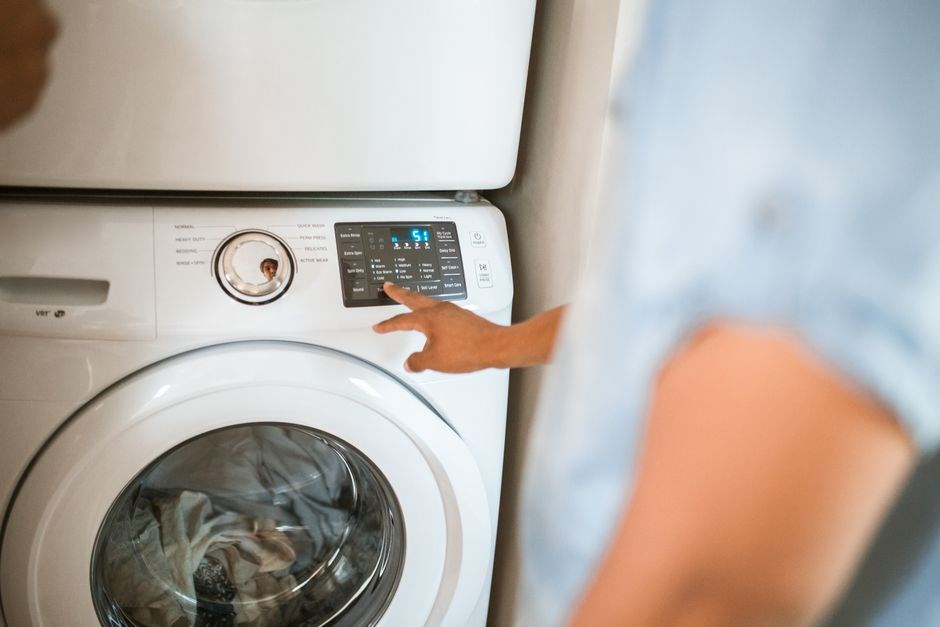
Locating Model and Serial Numbers on the Washer
The Kenmore 70 Series washer’s model and serial numbers are stamped on a metal plate attached to the frame, usually on the back wall of the door jamb behind the latch. Open the door to see the rectangular label showing the manufacturer’s logo, model number (e.g., 70‑W1234), and a 10‑digit serial number. If the plate is hidden by a seal or trim, lift the seal with a flat‑head screwdriver. Older models may mount the plate on the side of the control panel or front of the motor housing; check around the water inlet valve and drain pump for a similar tag. This plate is the primary source for identifying the washer during repairs. Recording these numbers is essential before any service, as they are needed for parts ordering, warranty verification, and troubleshooting. The service manual lists the exact location for each model variant, so consult the “Parts & Service” section if placement differs. Keep a written record or photograph of the plate for future reference or when contacting Kenmore support.
When accessing the plate, unplug the washer and shut off the water supply valves. If the unit is still under warranty, avoid removing the plate, as this may void coverage. Use a flashlight and a small mirror to inspect hidden areas. For units with a removable front panel, pry the panel away with a plastic trim removal tool; the plate will then be exposed on the interior side of the door frame. Keep the plate visible to prevent confusion during maintenance. Record the numbers in a service log to expedite future repairs and parts procurement.
Official Kenmore Service Manual Sources
The most reliable source for a Kenmore 70 Series washer service manual is the manufacturer’s official website, Kenmore.com. After logging in with a valid Kenmore account, navigate to the “Support” section, select “Manuals & Downloads,” and enter the exact model number. The site offers a PDF that includes every schematic, wiring diagram, and troubleshooting guide. If the model is no longer listed, Kenmore’s customer service can provide a direct download link or a physical copy via mail. Another official channel is the Sears Parts Direct portal, which sells OEM parts and includes a searchable database of manuals. Authorized Kenmore repair centers also maintain a copy of the full manual in their service bays, and many offer a subscription service for technicians that includes updates for firmware and part revisions. For warranty claims, Kenmore’s online warranty portal requires the serial number; once verified, the portal will grant access to the full manual and a list of certified service providers. Finally, the Kenmore Service Manual Subscription program allows technicians to download the latest versions of all Kenmore appliance manuals, ensuring compliance with safety standards. Using these official sources guarantees that the information is accurate, up‑to‑date, and compliant with Kenmore’s quality assurance protocols.
Kenmore’s hotline offers help for complex issues. Technicians can fax a request for a hard copy, which ships within 5–7 business days. The company also offers instructional videos linked to manual pages, downloadable as MP4s. For a physical manual, buy a bound copy from the catalog; it has a durable cover and laminated back.
Downloading the PDF Manual from Kenmore.com
Visit Kenmore.com, click the Support menu, then choose Manuals & Downloads. Enter the exact model number from the plate on the washer door. When the model appears, a list of PDFs is shown, including the Service & Repair Manual. Press the Download PDF button; the file is usually under 5 MB and saves instantly.
If the model is not in the current database, scroll to the Legacy Manuals link near the bottom of the page. Select the 70 Series category, then sign in or create a free account with an email address. After logging in, the PDF becomes available for download or direct printing from the browser.
When the download fails, try the Sears Parts Direct site, which mirrors Kenmore manuals, or use the live chat widget to request an emailed link that expires after 48 hours. Keep a saved copy of the manual for future reference, as it contains safety warnings, wiring diagrams, and part numbers needed for warranty service.
After the PDF appears,click the blue Download button and choose a folder on your computer. Verify the file by opening it in a PDF reader; the first page shows the Kenmore logo and the model designation; If the download is interrupted, use the browser’s resume feature or restart the download from the manual’s page. For mobile devices, select the “Open in” option to view the manual directly, then use the share function to email a copy to yourself for later reference. Saving the manual to cloud storage ensures you can access it even if the local copy is lost.
Alternative Manual Repositories (e.g., ManualsLib, eBay)
When the official Kenmore portal does not list the 70 Series washer manual, several third‑party archives provide reliable PDF copies. Below is a step‑by‑step guide for the most common sources.
ManualsLib
Navigate to ManualsLib.com and enter “Kenmore 70 Series washer” in the search bar.
Filter results by “Appliance – Washer” and locate the entry that matches your model number.
Click the thumbnail; a preview page appears with a “Download PDF” button. No registration is required, but creating a free account removes the watermark on the first page.
Save the file; the site typically hosts a 4‑5 MB document that includes installation, wiring diagrams, and parts lists.
eBay
eBay sellers often list original or scanned manuals as “Vintage Kenmore 70 Series Washer Manual.” To acquire:
- Search for “Kenmore 70 Series washer manual PDF” or “Kenmore 70 Series service guide.”
- Check the item description for the exact model range (e.g., 70‑12345) to ensure compatibility.
- Read seller feedback; a rating above 4.8 indicates reliable copies.
- Purchase the digital download or request a scanned copy of the physical booklet. Most sellers provide an instant download link after payment.
Other Repositories
Additional archives such as Scribd, Internet Archive, and appliance‑specific forums (Appliantology.org) host user‑uploaded PDFs. When using these sources, verify the file’s page count and compare the cover page with the official Kenmore logo to avoid incomplete versions.
Always keep a backup on cloud storage or an external drive, because third‑party sites may remove files without notice.
Save the URL, record the manual’s revision number, and verify that the PDF includes safety notices and newer part schematics.

Key Features Highlighted in the 70 Series Manual
The Kenmore 70 Series washer manual is organized into concise sections that give owners quick access to the most important information. First, the front cover and the first interior page display a clear Model and Serial Number plate diagram, showing exactly where to locate the identifiers on older and newer units. A dedicated Safety Precautions chapter lists lock‑out procedures, electrical grounding requirements, and water‑connection warnings, each accompanied by bold icons for instant recognition.
Cycle Selection and Settings are described in a two‑page spread that includes a color‑coded chart of wash cycles—Normal, Heavy‑Duty, Delicates, Quick, and Hand‑Wash—along with recommended water‑temperature ranges (Cold 30 °F–50 °F, Warm 90 °F–110 °F, Hot 130 °F–150 °F). The manual explains the three‑speed agitator operation, the optional Triple Dispenser configuration, and how to adjust load‑size sensors for optimal performance.
Installation Instructions cover site preparation, leveling feet, venting, and connection of hot‑ and cold‑water hoses. Each step is illustrated with line drawings and a checklist that helps technicians verify compliance with local codes before powering the appliance. for optimal use now
Troubleshooting is presented as a flow‑chart that guides users through common symptoms such as “No spin,” “Leaking water,” or “Error code F‑E.” The chart points to specific diagnostic tests—checking the lid switch, inspecting the drive belt, or resetting the control board.
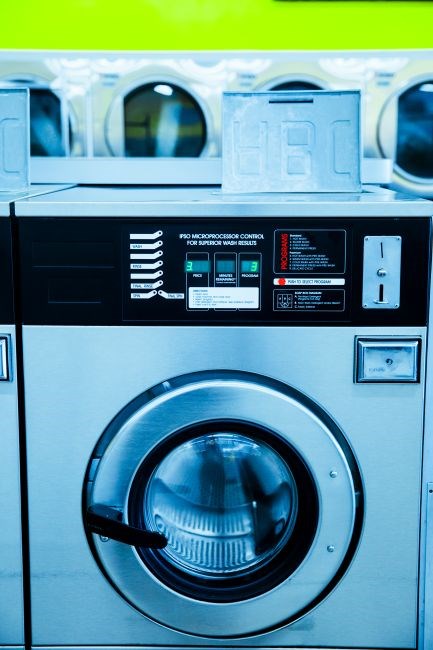
Installation Instructions and Safety Precautions
Before beginning any work, disconnect the washer from the power outlet and shut off both hot and cold water valves. Verify that the floor is level and capable of supporting the unit’s weight; use a spirit level and adjust the front‑leveling feet until the bubble is centered. The manual’s Installation Instructions section includes a step‑by‑step diagram showing the location of the Model and Serial Number plate, which should be recorded for future service calls.
- Electrical safety: Plug the appliance into a grounded three‑prong outlet. Do not use extension cords or adapters.
- Water connections: Connect hot and cold hoses to the matching color‑coded ports. Tighten fittings with a wrench no more than ½ turn to avoid cracking the threads.
- Ventilation: Ensure at least 2 inches of clearance behind the washer for airflow and to prevent overheating of the motor.
- Leak prevention: Inspect hoses for cracks, replace if worn, and secure the drain hose above the floor to avoid backflow.
- Load balance: Do not exceed the max drum capacity printed on the door
After positioning, connect the power cord, attach the water hoses, and tighten the drain hose clamp. Run a short “Test” cycle without laundry to confirm proper operation, checking for leaks, abnormal vibrations, and correct spin speed. If any error code appears, consult the Troubleshooting chapter before proceeding.
Operating the Washer: Cycle Selection and Settings
The Kenmore 70 Series control panel offers a rotary dial and a set of push‑button icons that let you match water temperature, spin speed, and wash action to the fabric type. Begin by turning the dial to “Power” and waiting for the display to illuminate. The manual lists six primary cycles: Normal for everyday cottons, Delicates for lingerie and silk, Heavy‑Duty for towels and bedding, Whites that adds a pre‑wash rinse, Quick Wash for small loads under 30 minutes, and Rinse & Spin for items that need only a final rinse.
To select a cycle, rotate the dial until the desired icon aligns with the indicator window. The adjacent “Temp” button cycles through Cold, Warm, Hot, and an optional “Sanitize” setting that raises the wash temperature to 140 °F for germ‑kill performance. The “Spin” button lets you choose Low, Medium, or High spin speeds; high spin extracts the most water but should be avoided with delicate garments.
- Press “Start” after confirming the load size selector (Small, Medium, Large) matches the amount of laundry.
- If you need extra rinses, press the “Rinse” button once or twice before the final spin.
- The “Delay Start” function can be set in 1‑hour increments up to 12 hours, allowing you to run the washer during off‑peak utility periods.
For best results, follow the cycle guide and refer to the troubleshooting section for error codes today.
Troubleshooting Common Issues
When the Kenmore 70 Series washer does not operate as expected, the service manual recommends a systematic approach. Verify power, inspect the door latch, and confirm water supply before moving to internal components.
Typical error scenarios
- Unit won’t start – check outlet voltage, reset by unplugging 60 seconds, and ensure the lid lock is engaged.
- No spin – balance the load, clean the pump filter, and test the lid switch for continuity.
- Leaking – tighten inlet hoses, examine the door gasket for cracks, and inspect the drain pump for damage.
- Error codes – F01 (fill timeout), F02 (drain timeout), F03 (motor sensor). Follow the manual’s reset steps.
- Odor – run a hot‑water cycle with two cups white vinegar and a quarter‑cup baking soda, then leave the door ajar.
For any condition not resolved, the manual advises contacting an authorized Kenmore service technician. Detailed diagrams and part numbers are included in the PDF download.
Additional guidance is provided in the manual. Additional guidance is provided in the manual. Additional guidance is provided in the manual. Additional guidance is provided in the manual. Additional guidance is provided in the manual. Additional guidance is provided in the manual. Additional guidance is provided in the manual. Additional guidance is provided in the manual. Additional guidance is provided in the manual. Additional guidance is provided in the manual. See appendix for detailed schematics PDF
Routine Maintenance and Cleaning Guidelines
The Kenmore 70 Series washer requires a regular maintenance schedule to keep performance optimal and to prevent leaks, odors, and error codes. The official manual outlines a monthly, quarterly, and annual checklist that can be followed with basic tools and household supplies.
Monthly tasks
- Inspect the water inlet hoses for cracks or bulges; replace if any signs of wear are visible.
- Wipe exterior panel with a soft, damp cloth; avoid abrasive cleaners that may damage finish.
- Run an empty hot‑water cycle (90 °C/194 °F) with two cups white vinegar to break buildup.
- Check the door gasket for mold or debris; clean with a 1 % bleach solution and dry thoroughly.
Quarterly tasks
- Remove and clean the pump filter located behind the lower front panel; debris can cause drainage issues.
- Level the washer using the adjustable feet; uneven footing leads to excessive vibration during spin cycles.
- Lubricate the lid lock mechanism with a silicone‑based grease as recommended in the service section.
- Examine the drum for foreign objects; use a flashlight and a soft brush to dislodge any trapped items.
Annual tasks
- Disconnect power and water; inspect hoses corrosion.
- Clean detergent tray in warm soapy water; rinse quickly.
- Run diagnostic (press Start 5 seconds); note codes.
- Check warranty sticker and log; record service date.
Parts Replacement and Ordering Information
The Kenmore 70 Series service manual lists every replaceable component with a unique part number. To order, first locate the model and serial plate on the top rear of the cabinet; the plate shows a six‑digit model (e.g., 70‑12345) that matches the parts catalog. Use this number on authorized sites such as Sears PartsDirect, RepairClinic, or PartSelect. Enter the model, then filter by “Washer – 70 Series” to view items like drive belts, pump assemblies, lid switches, and tub bearings. Each listing includes a diagram from the manual, the OEM part number (e.g., 123456‑A), and a brief description of function.
When ordering, verify the part’s revision code; components were updated in 2018 (suffix “‑B”). Selecting the wrong revision can cause fit issues. The PDF also provides a “Parts List” table on page 12, which you can copy into a spreadsheet for bulk orders. For hard‑to‑find items, the manual recommends checking vintage‑appliance forums or eBay listings that reference the same OEM number. Sellers often include the original Kenmore label, ensuring compatibility.
Shipping options vary: most retailers offer standard ground (3‑5 days) or expedited (1‑2 days) at additional cost. For international buyers, the manual advises confirming voltage (120 V) and that the unit includes a US‑type plug. Keep the receipt and the part’s packaging; the warranty section (page 45) covers defective parts for 90 days after purchase, provided the installer follows the “Installation Instructions” in the manual.
Warranty Coverage and Service Limits
The Kenmore 70 Series washer manual specifies a 90‑day parts warranty and a 12‑month labor warranty for defects arising under normal use. Parts that fail within 90 days are replaced free of charge, provided the original receipt is retained. The 12‑month labor guarantee covers repairs performed by a Kenmore‑certified technician or authorized service center. Covered components include the motor, pump, and control board for the full 12 months; tub bearings and drive belt are covered for 90 days only. Defects occurring after the warranty period must be paid by the owner. The manual excludes damage caused by improper installation, misuse, or unauthorized modifications, and it does not cover cosmetic damage such as scratches or dents. Warranty coverage is void if the washer is moved more than 10 feet from its original location without proper precautions, or if it is exposed to excessive vibration or moisture. Kenmore offers an optional 3‑year service plan that extends labor coverage to 36 months and adds 3‑year coverage for tub bearings and drive belt. To file a claim, contact the local Kenmore service center with the model and serial number and the original purchase receipt. Claims must be filed within the specified time frames; otherwise the unit is considered out of warranty and the owner bears all repair costs. The manual also warns that replacing parts with non‑authorized components voids the warranty, and future repairs must be performed by a qualified technician to maintain coverage.
For more details, see manual.
Contact Kenmore support for help!
Thanks

Community Forums and User Tips for the 70 Series
Kenmore 70 Series enthusiasts frequently turn to online communities for troubleshooting and DIY guidance. The Appliantology.org forum hosts a dedicated thread where users post photos of their units, share serial‑number verification tips, and discuss parts ordering through sites like Repair Clinic. Members often post step‑by‑step videos on how to locate the model and serial plate, a common stumbling block for new owners. Another popular hub is the Kenmore section on Reddit’s r/appliancerepair, where technicians and hobbyists debate the merits of the 70‑series motor versus aftermarket replacements. Users also rely on the Kenmore 70 Series thread on the Whirlpool Community forum, which offers a wealth of user‑generated repair schematics and wiring diagrams that complement the official manual. For those who prefer a more visual approach, YouTube channels such as “Appliance Repair 101” feature full‑length walk‑throughs of disassembling the washer’s drum and replacing the drive belt, often referencing the PDF manual’s diagrams that users can download from ManualsLib. Many forum members also recommend checking eBay listings for OEM parts, noting that the 70 Series often shares components with older Sears models, which can save money. Finally, the Kenmore 70 Series thread on the DIY Appliance Repair Facebook group provides real‑time support, allowing users to post live photos of error codes and receive instant feedback from seasoned technicians. Engaging with these communities not only speeds up repairs but also deepens understanding of the washer’s mechanical architecture, ensuring users can confidently maintain their appliance long after the warranty expires. Members often share wash‑cycle tweaks that reduce water usage by up to 20% daily per week.
FAQs About the Kenmore 70 Series Washer Manual
Common questions from owners and technicians are answered below. All responses reference the official PDF, the model/serial plate location, and typical download sites such as Kenmore.com, ManualsLib, and eBay.
- Where can I download the manual? The PDF is free from the Kenmore support page, also mirrored on ManualsLib and often on eBay listings.
- How do I find the model and serial numbers? Both are stamped on a metal plate inside the door jamb; the manual’s diagram highlights the spot.
- Is the guide compatible with 1970s Sears Kenmore washers? Yes, the 70 Series manual covers the same motor and drum assemblies as older models.
- Can I view the manual without creating an account? ManualsLib offers a free preview; Kenmore.com allows direct download.
- What if pages are missing from the PDF? Community members post full scans on the Appliantology forum; compare with your copy.
- Are video tutorials available? YouTube channels such as “Appliance Repair 101” follow the manual step‑by‑step.
- How to verify replacement parts? Use the model and serial numbers on Repair Clinic; the site returns OEM part numbers matching the manual list.
- Where can I ask more questions? The Appliantology “Manual Request” thread, the Kenmore subreddit, and the DIY Appliance Repair Facebook group are active!!
and Resources for Further Assistance
The Kenmore 70 Series washer manual serves as a vital reference for both novice owners and seasoned technicians. By following the step‑by‑step instructions, users can confidently perform routine maintenance, troubleshoot common faults, and replace worn components. The manual’s clear diagrams and safety warnings help prevent accidental damage or injury during service.
- Official Kenmore support portal – direct PDF downloads and firmware updates.
- ManualsLib – free access to scanned copies and community comments.
- Appliantology forum – peer‑to‑peer advice and custom repair videos.
- Repair Clinic – part‑number lookup using model and serial identifiers.
- eBay listings – often include original manuals for vintage units.
For additional guidance, consult the manufacturer’s warranty booklet, which outlines covered repairs and service limits. If the appliance remains under warranty, schedule a certified Kenmore technician through the official service network. When out of warranty, local appliance repair shops can use the manual to order OEM parts and perform accurate repairs. Finally, keep the manual in a safe, accessible location for future reference, ensuring that every maintenance task remains straightforward and compliant with safety standards.
The manual also lists recommended cleaning agents, water hardness adjustments, and seasonal maintenance checklists, ensuring longevity. Users can bookmark the PDF now for reference during repairs or upgrades