
guide to red wines
Understanding the Basics of Red Wine
Red wine’s hue originates from grape skins‚ which also supply tannins and antioxidants․ During fermentation‚ winemakers often keep skins in contact with juice‚ extracting color‚ flavor‚ and structure․ The resulting beverage balances acidity‚ body‚ and complexity․ It shapes flavor․ and structure․ More!?
What Makes Red Wine Red: Grape Skin and Color Extraction
Red wine owes its vibrant hue to the pigments embedded in grape skins‚ primarily anthocyanins․ During crushing‚ the skins are gently broken‚ releasing juice while retaining the skins in the must․ This contact allows the anthocyanins to leach into the liquid‚ a process intensified by temperature and time․ Winemakers often ferment with skins present‚ a technique called maceration‚ to extract not only color but also tannins and flavor compounds that give structure and complexity․ The degree of skin contact determines the intensity of color; a longer maceration yields deeper‚ richer reds‚ while a shorter period produces lighter styles․ Additionally‚ the pH level of the must influences pigment stability—lower pH favors a brighter‚ more stable red․ After fermentation‚ the wine is clarified‚ removing solids‚ but the color remains․ The resulting red wine showcases a spectrum from ruby to garnet‚ reflecting the grape variety‚ terroir‚ and winemaking choices․ Proper skin management ensures balanced tannin levels‚ preventing bitterness while preserving the wine’s aromatic profile․
During the maceration phase‚ winemakers monitor temperature and pH to optimize pigment stability․ A slight increase in acidity can brighten the hue‚ while a higher temperature accelerates tannin extraction‚ adding depth․ Winemakers may also adjust the duration of skin contact‚ balancing color intensity with a smooth mouthfeel․ This careful control ensures each bottle reflects the intended style and terroir;!!!?
The Journey from Vine to Bottle
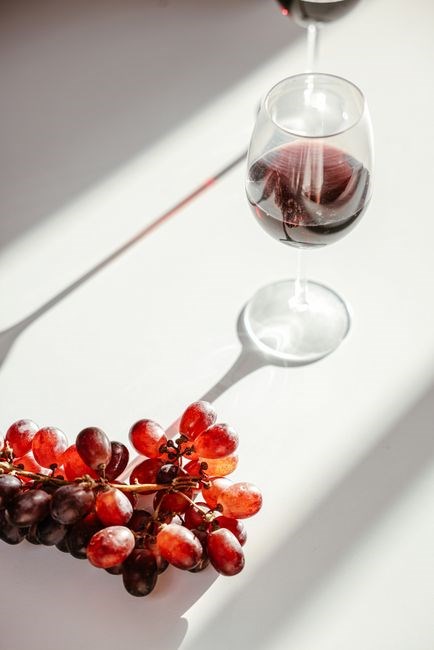
From vine to bottle‚ red wine follows a precise path: grapes are hand‑picked at peak ripeness‚ then destemmed and lightly crushed to form must․ Fermentation occurs with skins in contact‚ extracting color and tannins․ After aging‚ the wine is clarified‚ bottled‚ and ready for enjoyment․ It reflects terroir․!!!
Harvesting Techniques and Optimal Ripeness Levels
Harvesting is the pivotal moment that determines a red wine’s potential․ Winemakers monitor sugar‚ acidity‚ and tannin development through regular sampling‚ using portable refractometers and pH meters to gauge ripeness; Hand‑picking remains the gold standard for premium varieties‚ allowing selective removal of underripe or diseased fruit and preserving delicate aromatics․ Mechanical harvesters‚ while faster‚ can introduce bruising and dilute flavor if not carefully calibrated․ Timing is critical: early harvest preserves bright acidity and crisp structure‚ ideal for lighter styles such as Pinot Noir‚ whereas a later pick captures fuller body and higher alcohol‚ suited for robust Cabernet Sauvignon․ Temperature control during transport—cooling the grapes to 10–12 °C—minimizes enzymatic activity and prevents spoilage․ Some producers employ “late harvest” or “appassimento” techniques‚ letting grapes dry on the vine to concentrate sugars and develop complex‚ honeyed notes․ Conversely‚ “early harvest” can produce vibrant‚ fruit‑forward wines with pronounced freshness․ The decision hinges on climate‚ varietal characteristics‚ and desired style․ Consistent monitoring‚ precise timing‚ and gentle handling collectively ensure that each grape reaches the vineyard’s intended expression‚ setting the foundation for the wine’s eventual character and longevity․ By integrating these meticulous practices‚ vintners can fine‑tune the balance between sugar‚ acid‚ and tannin‚ ultimately crafting wines that reflect both the terroir’s essence and the winemaker’s vision․ This disciplined approach to harvesting not only safeguards quality but also enhances the wine’s capacity to age gracefully‚ offering consumers a nuanced tasting experience across seasons․ Such precision‚ coupled with climate‑aware decision making‚ ensures each vintage delivers a harmonious profile that resonates with both connoisseurs and casual drinkers alike․ Cheer
Crushing‚ Maceration‚ and Fermentation
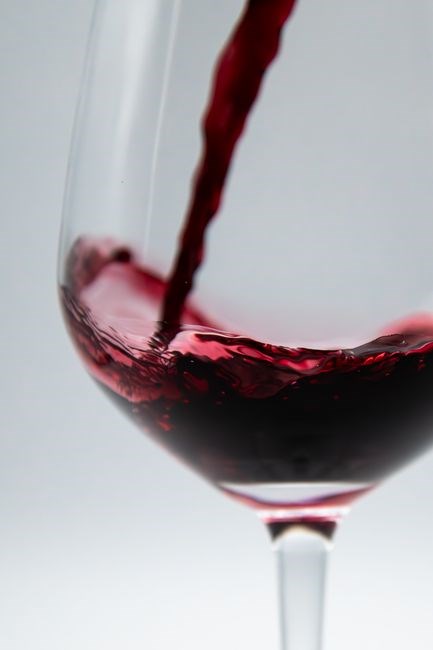
Winemakers destem and lightly crush grapes‚ forming must that retains skins and seeds․ During maceration‚ skins remain in contact‚ extracting color‚ tannin‚ and flavor․ Fermentation follows‚ converting sugars to alcohol while preserving structure for a balanced red wine․ Temperature monitored closely now!!
How Winemakers Preserve Structure by Retaining Grape Skins During Fermentation
During fermentation‚ winemakers deliberately keep grape skins in contact with the must to extract tannins‚ color‚ and flavor compounds that contribute to a wine’s structure․ This technique‚ known as “skin‑contact fermentation‚” allows the yeast to work in a medium rich in phenolics‚ which are then absorbed into the wine․ The longer the skins remain submerged‚ the more robust the tannic backbone becomes‚ giving the finished product a fuller body and greater aging potential․ Winemakers monitor temperature and oxygen levels closely; a cooler environment slows oxidation and preserves delicate aromatics‚ while controlled micro‑oxygenation helps soften harsh tannins․ Some producers use “cold‑break” removal after a set period‚ stopping the extraction when the desired balance is achieved․ Others employ “extended maceration‚” leaving skins for weeks‚ which yields deeply colored‚ complex wines that can develop tertiary notes over time․ The choice of skin‑contact duration is a key stylistic decision‚ reflecting the winemaker’s vision and the terroir’s expression․ By retaining skins‚ winemakers create structure that supports longevity‚ depth‚ and a harmonious mouthfeel‚ turning simple juice into a layered‚ memorable experience․
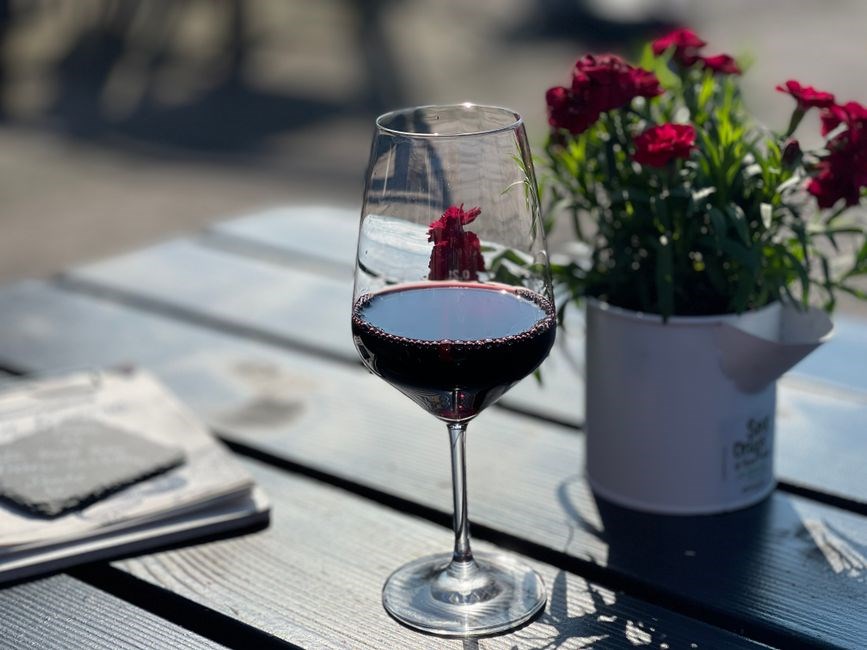
Winemakers also adjust maceration time based on grape variety and climate‚ tannin extraction to achieve desired balance․ In cooler regions‚ skin contact preserves fruit notes‚ while warmer vineyards benefit maceration to develop depth․ The final decision reflects science each bottle delivers a distinct‚ memorable profile․!!
Key Red Wine Varieties Around the World
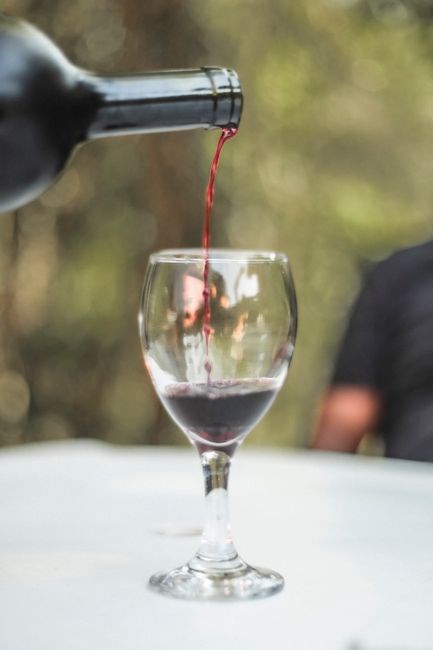
From light Pinot Noir to bold Cabernet Sauvignon‚ red wines span a spectrum of flavors․ Pinot Noir offers silky fruit and subtle earth‚ while Cabernet Sauvignon delivers rich tannins‚ dark fruit‚ and spice; Other staples include Merlot‚ Syrah‚ and Zinfandel‚ each reflecting terroir and winemaking style․!!!!!
From Light Pinot Noir to Bold Cabernet Sauvignon: Flavor Profiles and Characteristics
Pinot Noir‚ celebrated for its elegance‚ offers bright red‑fruit aromas—cherry‚ raspberry‚ and cranberry—paired with subtle earthy undertones and a silky‚ light body․ Its moderate tannins and bright acidity make it approachable early‚ yet it can develop nuanced notes of mushroom‚ forest floor‚ and spice with age․ Merlot‚ often described as plush and round‚ delivers ripe plum‚ blackberry‚ and chocolate flavors‚ with a softer tannic structure that lends itself to smooth‚ velvety mouthfeel․ Cabernet Sauvignon stands out with its full body‚ deep color‚ and pronounced tannins․ Classic notes include blackcurrant‚ cassis‚ cedar‚ and pepper‚ while modern expressions may reveal hints of espresso‚ tobacco‚ and dried herbs․ Each variety’s terroir and winemaking choices—such as skin contact duration‚ oak aging‚ and fermentation temperature—further refine these flavor characteristics‚ creating a diverse palette for the discerning palate․ Malbec‚ from Argentina‚ showcases ripe plum‚ blackberry‚ and a smoky‚ peppery finish‚ while Sangiovese brings bright cherry‚ tomato‚ and rustic herbs․ Tempranillo offers jammy red fruit‚ leather‚ and a subtle spice‚ making it a versatile companion for many dishes․ These profiles illustrate how grape genetics‚ climate‚ and vinification techniques combine to produce distinct sensory experiences․ Whether you prefer a silky‚ fruit‑centric wine that invites casual sipping or a robust‚ tannin‑rich vintage that rewards careful decanting‚ the world of red wine offers endless exploration for every palate․ Cheers to the journey․!!!!
Regional Styles and Terroir Influences
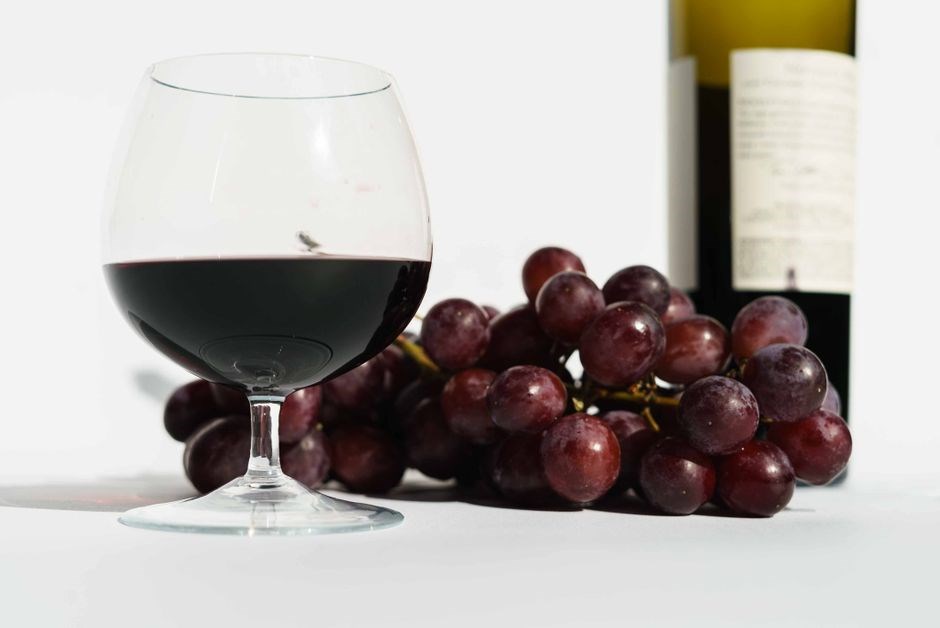
French terroir‚ with limestone soils and cool climate‚ yields elegant‚ peppery reds․ Italian hills produce robust‚ earthy Sangiovese․ Californian vineyards‚ sun‑rich and varied‚ craft bold‚ ripe Cabernet․ Each region’s climate‚ soil‚ and tradition uniquely shape flavor and structure․ and taste and more Cheers!!
How French‚ Italian‚ and American Regions Differentiate Their Red Wines
French vineyards‚ especially in Burgundy and Bordeaux‚ rely on limestone‑rich soils and cooler climates that encourage slow ripening․ The result is refined‚ pepper‑spiced reds with subtle tannins and a pronounced minerality․ Italian producers‚ notably in Tuscany and Piedmont‚ favor rolling hills and a mix of clay and volcanic soils‚ producing robust‚ earthy Sangiovese and Barolo with pronounced cherry and tar notes․ Across the Atlantic‚ Californian wineries harness abundant sunshine and diverse terroirs—from the cool‚ fog‑shrouded Napa Valley to the warm‚ mineral‑laden Paso Robles․ These conditions yield bold‚ ripe Cabernet Sauvignons and Zinfandels with lush fruit‚ high alcohol‚ and a plush‚ velvety mouthfeel․ Each region’s climate‚ soil‚ and winemaking traditions combine to create distinct flavor profiles‚ textures‚ and aging potentials that define their iconic red wines․
In France‚ the Côte d’Azur’s Mediterranean warmth gives red blends a bright‚ tropical edge‚ while the cool Loire Valley produces lighter‚ more aromatic reds․ Italian regions like Sicily’s Nero d’Avola showcase deep color and peppery undertones‚ whereas the Veneto’s Valpolicella blends Corvina and Rondinella for silky‚ complex reds․ Across the Pacific‚ Oregon’s cool‚ coastal climate yields elegant Pinot Noir with crisp acidity‚ contrasting sharply with Texas’s hot‚ arid vineyards that craft robust‚ high‑alcohol reds with pronounced fruit character․
These nuances help choose wines echoing terroir rich
Serving and Pairing Tips
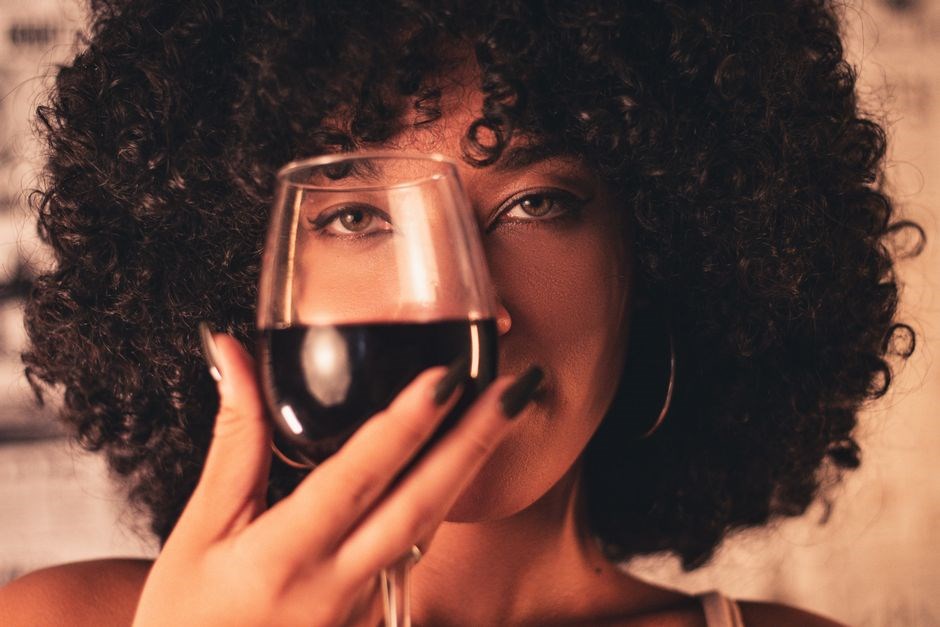
Serve at 60–65°F‚ using a 750 ml glass․ Pair with red meats‚ mushroom risotto‚ or aged cheeses․ Light Pinot Noir pairs with salmon; robust Cabernet pairs with steak․ A chilled glass brightens fruit notes‚ while room‑temperature enhances depth․Add a splash of balsamic for depth
Optimal Temperature‚ Glassware‚ and Food Combinations for Red Wine
Serve red wine at 60–65°F to preserve aromatic compounds while allowing the body to unfold․ A 750 ml glass with a wide bowl encourages oxygen contact‚ enhancing tannin softening․ For lighter styles‚ a smaller glass (300 ml) concentrates aroma; for full‑bodied wines‚ the standard size balances heat and structure․ Pairing hinges on the wine’s acidity‚ tannin‚ and flavor profile; A medium‑bodied Merlot complements roasted chicken or mushroom risotto‚ while a high‑tannin Cabernet Sauvignon pairs beautifully with grilled steak‚ lamb‚ or aged cheddar․ Pinot Noir’s subtle earthiness works well with salmon‚ duck or truffle pasta․ When serving‚ let the wine breathe for 30–60 minutes; decanting a 10–15‑year‑old Bordeaux can release hidden layers․ For dessert‚ a sweet red such as a late‑harvest Zinfandel pairs with chocolate or fruit tarts․ Remember that temperature‚ glass shape‚ and food choice together create harmony‚ allowing each component to shine․ Decanting not only aerates but also separates sediment‚ improving clarity․ Timing is key: younger wines benefit from a short decant‚ while older vintages may require longer․ Temperature control is crucial; too warm can flatten flavors‚ too cool can mute aromatics․ A gentle chill of 10–12°C for lighter reds‚ 12–15°C for heavier ones‚ strikes balance․ Always taste before serving to ensure the wine has reached its optimal expression․ Pairing is both science and art: match the wine’s tannic structure with protein density‚ and the acidity with the dish’s richness․ Classic combinations include a Cabernet with ribeye‚ Pinot Noir with duck‚ and Syrah with lamb․
Red wine offers antioxidants like resveratrol‚ supporting heart health when consumed moderately․ Shelf life varies: sealed bottles last 3–5 years; opened ones thrive 3–5 days at 45–55°F․ Store upright‚ away from light‚ and keep temperature stable to preserve flavor and structure Enjoy responsibly and sip!․
Antioxidants‚ Shelf Life‚ and Proper Storage Conditions for Longevity
Antioxidant compounds such as grape skins and color extraction give red wine its hue and antioxidant advantage․ The presence of natural preservatives such as tartaric acid helps maintain pH stability‚ limiting microbial spoilage․ A controlled environment with minimal temperature swings of ±2 °F over the year preserves the wine’s aromatics․ Light‑sensitive compounds degrade under UV exposure‚ so dark storage or UV‑filtered bottles are recommended․ For long‑term aging‚ a wine should be stored on its side to keep the cork moist‚ preventing oxidation and ensuring the wine’s longevity until it reaches its optimal drinking window;
Antioxidant compounds such as ellagitannins and anthocyanins color the wine and aid aging․ Proper bottling seals limit oxygen ingress‚ allowing slow oxidation that softens tannins while preserving fruit nuance․ Temperature swings over 5 °F accelerate spoilage; a cellar or wine fridge set to 55–58 °F is ideal․ Humidity around 60 % keeps corks supple‚ and minimal light exposure reduces degradation of delicate phenolics․ Rotate bottles periodically to ensure even aging and avoid prolonged air contact․ These practices safeguard the wine’s bouquet‚ texture‚ and longevity‚ letting connoisseurs enjoy each vintage at its peak․Again